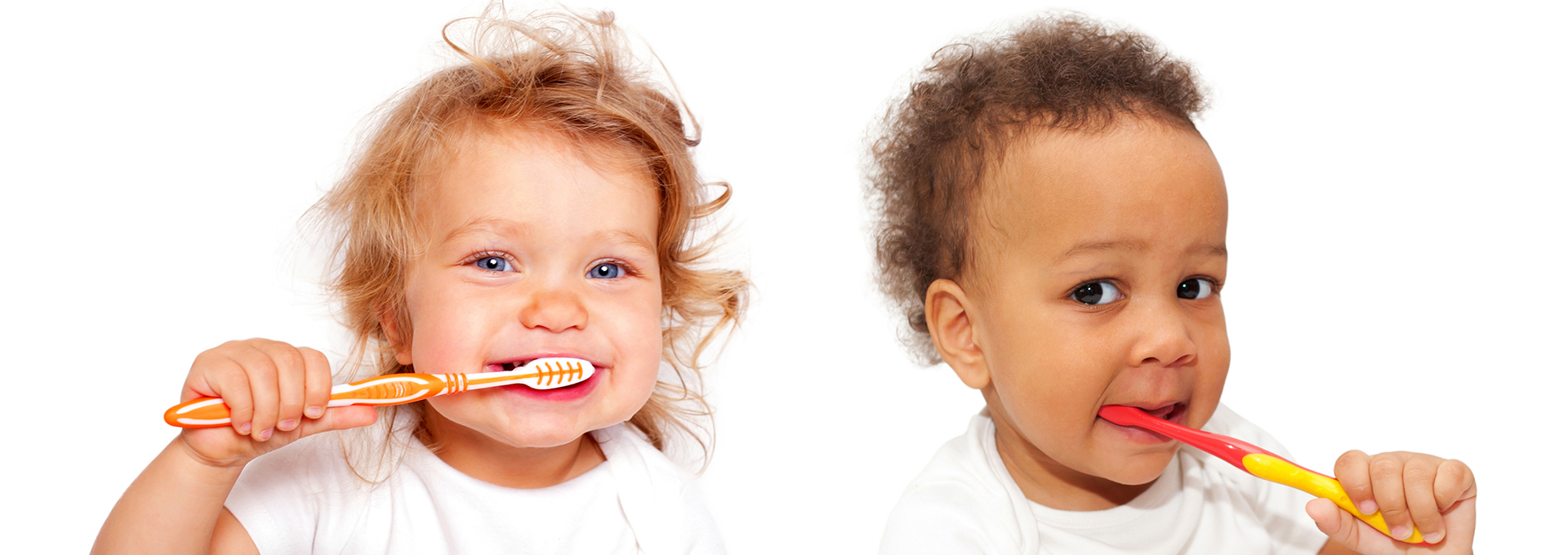
As your child grows, more baby teeth begin to emerge, aiding in chewing and speech development. To ensure a healthy smile, schedule regular dental checkups every six months for early monitoring and preventive care!
Parents should brush their child’s teeth using a soft-bristled toothbrush and a tiny amount of fluoride toothpaste.
Use only water in sippy cups to prevent cavities.
To ease teething discomfort, gently massage gums, offer a frozen teething ring, or use pain relief gels as recommended by your dentist.
Baby teeth are essential for chewing, speech development, and guiding permanent teeth into place. Neglected cavities can impact the health of developing adult teeth.

To avoid early childhood cavities:
While thumb sucking is natural, prolonged habits can affect tooth alignment. Encourage your child to stop before permanent teeth emerge, usually between ages 2-4. If needed, your pediatric dentist can provide guidance and solutions.
Monitoring your child’s dental growth early can help prevent future orthodontic issues. Your pediatric dentist can identify bite problems and provide early interventions and recommendations to guide teeth into proper alignment.

Begin brushing as soon as the first tooth appears.
Choosing the Right Toothpaste
By starting good oral care habits early, you’re setting the foundation for a lifetime of healthy smiles!